
Why Music and Movement Matter in Early Childhood
Songs, rhythm and dancing do far more than entertain. They build the brain, body and social connection.
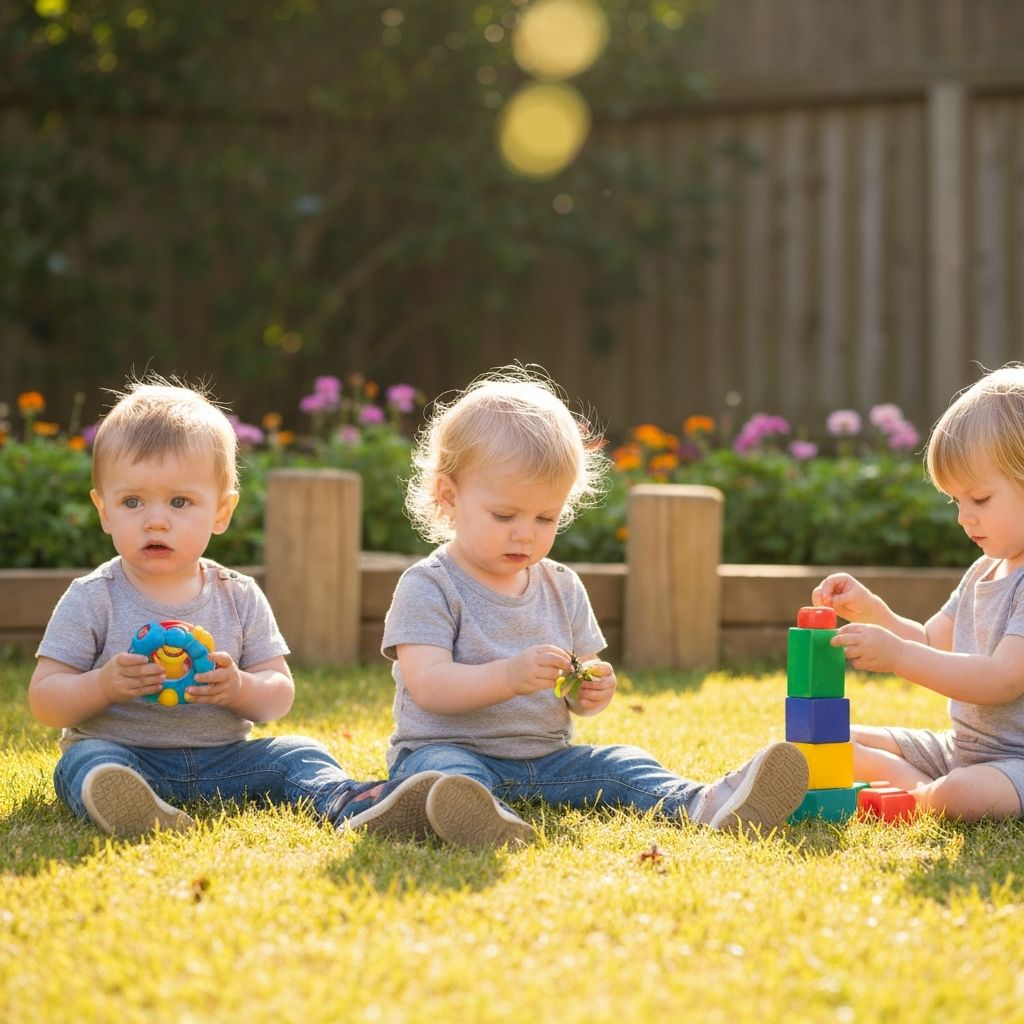
Few things light up a room of young children like a favourite song. Beyond the joy, music and movement are powerful tools for learning that support the whole child.
A Workout for the Brain
Music engages many parts of the brain at once. Rhythm and rhyme help children hear the sounds within words, an important foundation for later reading. Remembering songs strengthens memory, and keeping a beat supports mathematical thinking about pattern and sequence.
Moving to Learn
When children dance, march and sway, they develop coordination, balance and body awareness. Action songs that name body parts or directions also build language and listening skills.
Music Builds Connection
Singing together creates a sense of belonging. Group music experiences teach children to listen, wait, take turns and cooperate.
- Sing familiar songs during daily routines
- Use instruments to explore loud and soft, fast and slow
- Move freely to different styles of music
- Make up new words to well-known tunes
- Enjoy music from many cultures
Feelings in Motion
Music also helps children express and manage emotions. A lively song can lift the mood, while a gentle melody can calm a busy body at rest time.
At Little Roses
Music and movement are woven through our days, from morning greeting songs to spontaneous dancing, supporting joyful learning across every area of development.
Ready to Join Our Community?
Give your child the gift of quality early education in a nurturing, play-based environment at Little Roses Early Learning & Kindergarten.