
Inside the Reggio Emilia Approach: Learning Led by Curiosity
A look at the Reggio Emilia philosophy that inspires our program, where children are seen as capable, curious learners.
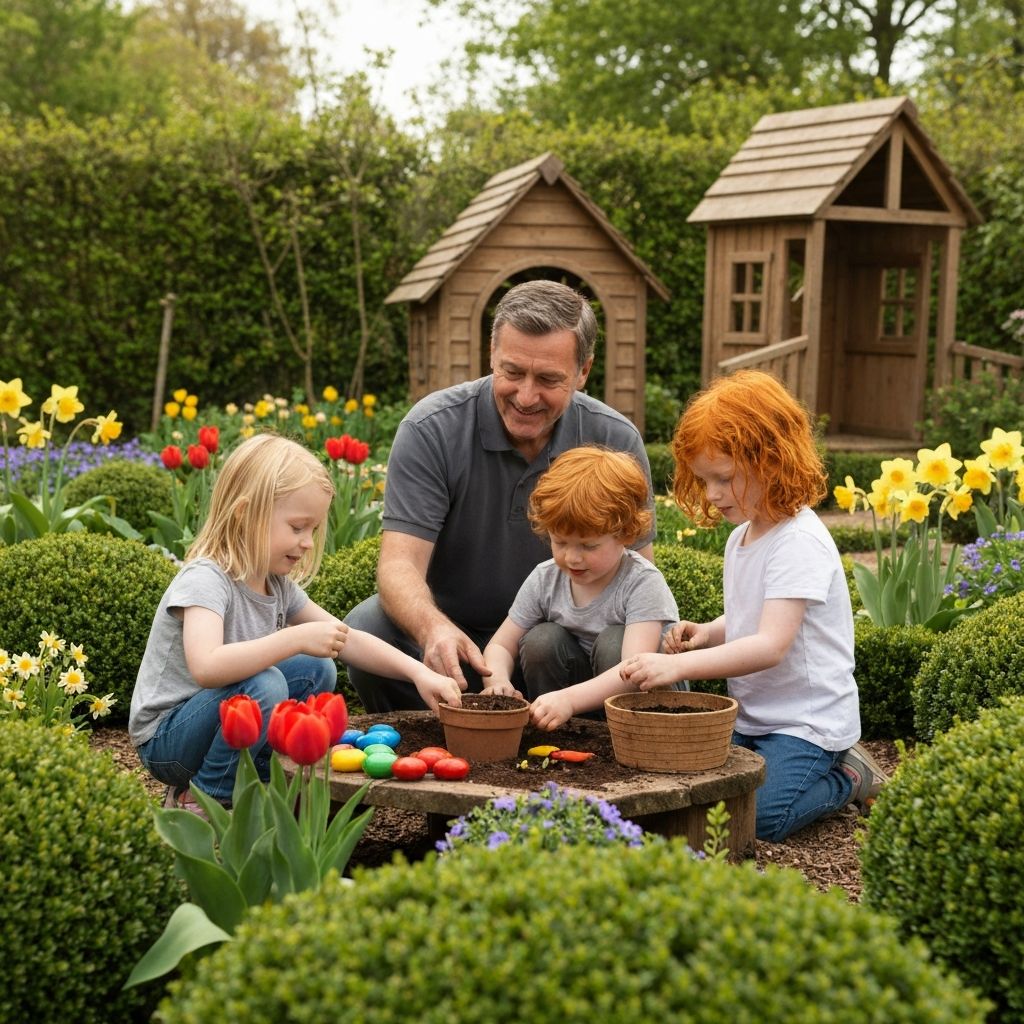
You may have heard our program described as Reggio Emilia inspired. This educational philosophy, born in northern Italy, has shaped early childhood education around the world. Here is what it means for your child.
The Image of the Child
At the heart of Reggio Emilia is a powerful idea. Children are capable, curious and full of potential from birth. Rather than empty vessels to be filled, they are active participants in their own learning who construct understanding through experience.
Learning Through Investigation
Instead of a fixed timetable of lessons, learning often unfolds through projects that follow the children's genuine interests. A puddle in the yard might spark weeks of exploration into water, reflection and weather.
The Hundred Languages
Reggio educators talk about the hundred languages of children, the many ways young people express ideas and understanding.
- Drawing, painting and sculpting
- Movement, music and dance
- Building and construction
- Storytelling and dramatic play
- Questioning and conversation
The Environment as the Third Teacher
Thoughtfully arranged spaces invite exploration, wonder and independence. Natural materials, good light and beautiful, open-ended resources encourage children to investigate and create.
At Little Roses
We document children's thinking, listen closely to their questions and design experiences around their emerging interests. This approach nurtures deep thinkers who love to learn.
Ready to Join Our Community?
Give your child the gift of quality early education in a nurturing, play-based environment at Little Roses Early Learning & Kindergarten.