
Gentle Guidance: Supporting Positive Behaviour in the Early Years
Calm, connected guidance helps young children learn self-regulation and make positive choices, without punishment or shame.
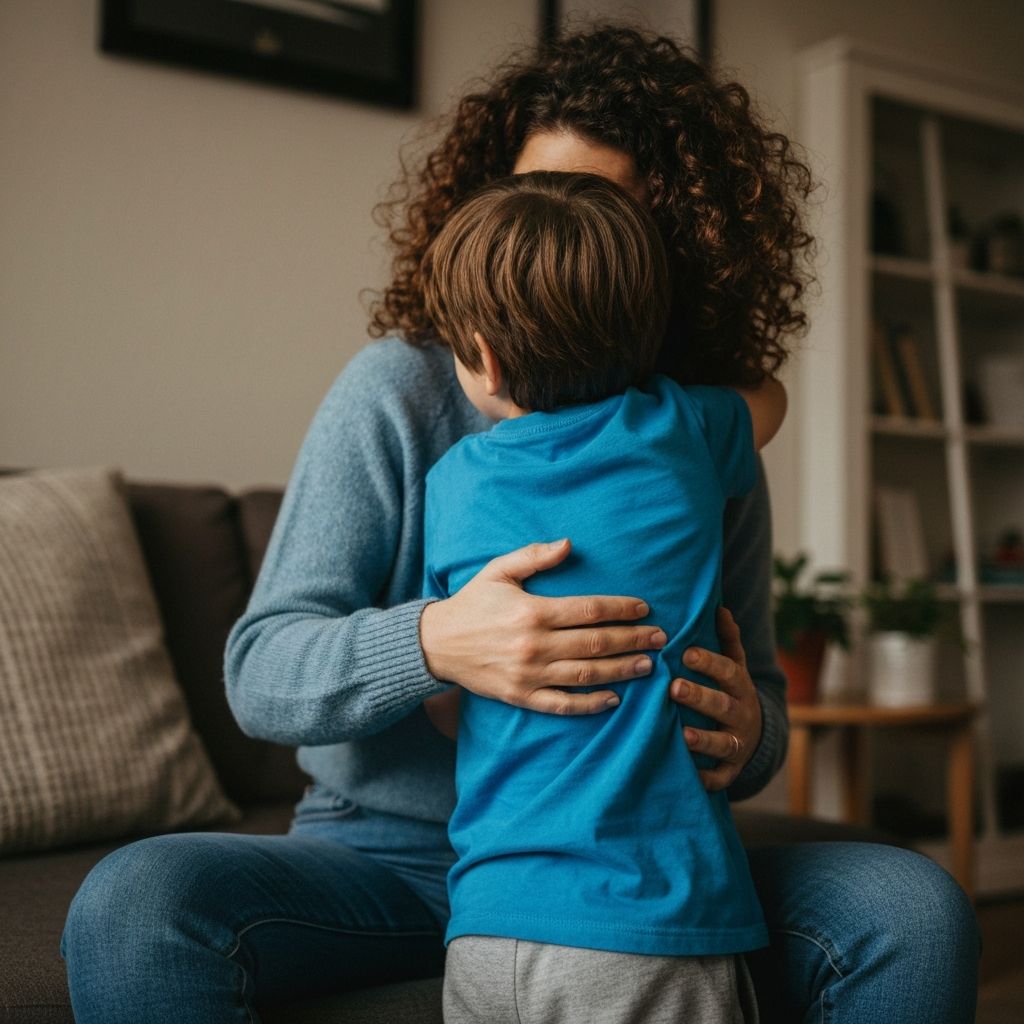
Every young child is still learning how to manage big feelings and navigate a busy social world. Challenging behaviour is not a sign that something is wrong. It is a normal part of development and an invitation to teach.
Behaviour is Communication
When a child hits, shouts or refuses to cooperate, they are usually telling us something they cannot yet put into words. They may be tired, hungry, overwhelmed or seeking connection. Looking for the need behind the behaviour helps us respond with understanding rather than frustration.
Connection Before Correction
Children cooperate best when they feel safe and understood. Getting down to their level, using a calm voice and acknowledging their feelings helps them settle enough to listen. A regulated adult helps a child regulate.
Practical Strategies
- Set a small number of clear, consistent limits
- Offer simple choices so children feel a sense of control
- Name the feeling before addressing the behaviour
- Use "when, then" language to explain expectations
- Notice and describe positive behaviour when you see it
Teaching, Not Punishing
Guidance works best when it teaches a better way rather than simply stopping a behaviour. Helping a child find words for their anger or a strategy to wait their turn builds skills they will use for life.
At Little Roses
Our educators use positive guidance grounded in respect and warm relationships. We partner with families to keep expectations consistent between home and our service, so every child feels supported to grow in confidence and self-control.
Ready to Join Our Community?
Give your child the gift of quality early education in a nurturing, play-based environment at Little Roses Early Learning & Kindergarten.