
Intentional Teaching: The Quiet Skill Behind Great Early Learning
Play and purposeful teaching are not opposites. Skilled educators weave them together every day.
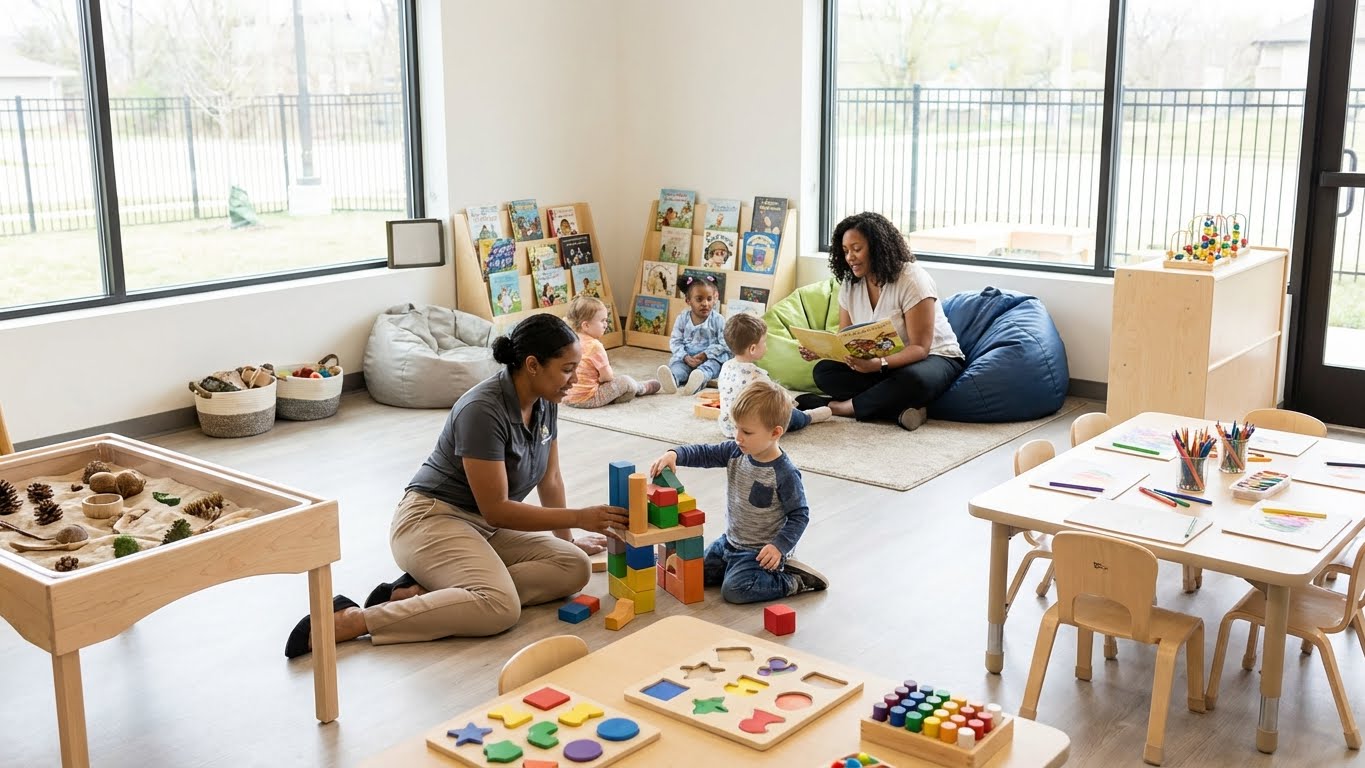
Sometimes people assume that a play-based program means educators simply stand back and watch. In reality, quality early learning depends on intentional teaching, the thoughtful decisions educators make to extend children's learning through play.
What Intentional Teaching Means
Intentional teaching is purposeful and planned, yet responsive to the moment. Educators observe closely, notice what a child is grappling with and step in with just the right question, resource or idea to move learning forward.
It Looks Like Play
Intentional teaching rarely looks like a formal lesson. It might be:
- Asking an open question that sparks new thinking
- Introducing a new word during a game
- Adding materials to deepen an investigation
- Modelling a skill and then stepping back
- Encouraging a child to predict, compare or explain
Following the Child
Great educators start with the child's interests and build outward. A fascination with trucks can become learning about size, sorting, ramps and community helpers, all guided gently by a skilled teacher.
The Balance
The art lies in knowing when to join in and when to hold back, when to ask and when to simply watch. This balance keeps children in charge of their play while ensuring real learning takes place.
At Little Roses
Our qualified educators plan intentionally around each child's interests and development, turning everyday play into rich, meaningful learning.
Ready to Join Our Community?
Give your child the gift of quality early education in a nurturing, play-based environment at Little Roses Early Learning & Kindergarten.