
Celebrating Culture and Belonging in Early Childhood
When children see their family, language and culture valued, they develop a strong sense of identity and belonging.
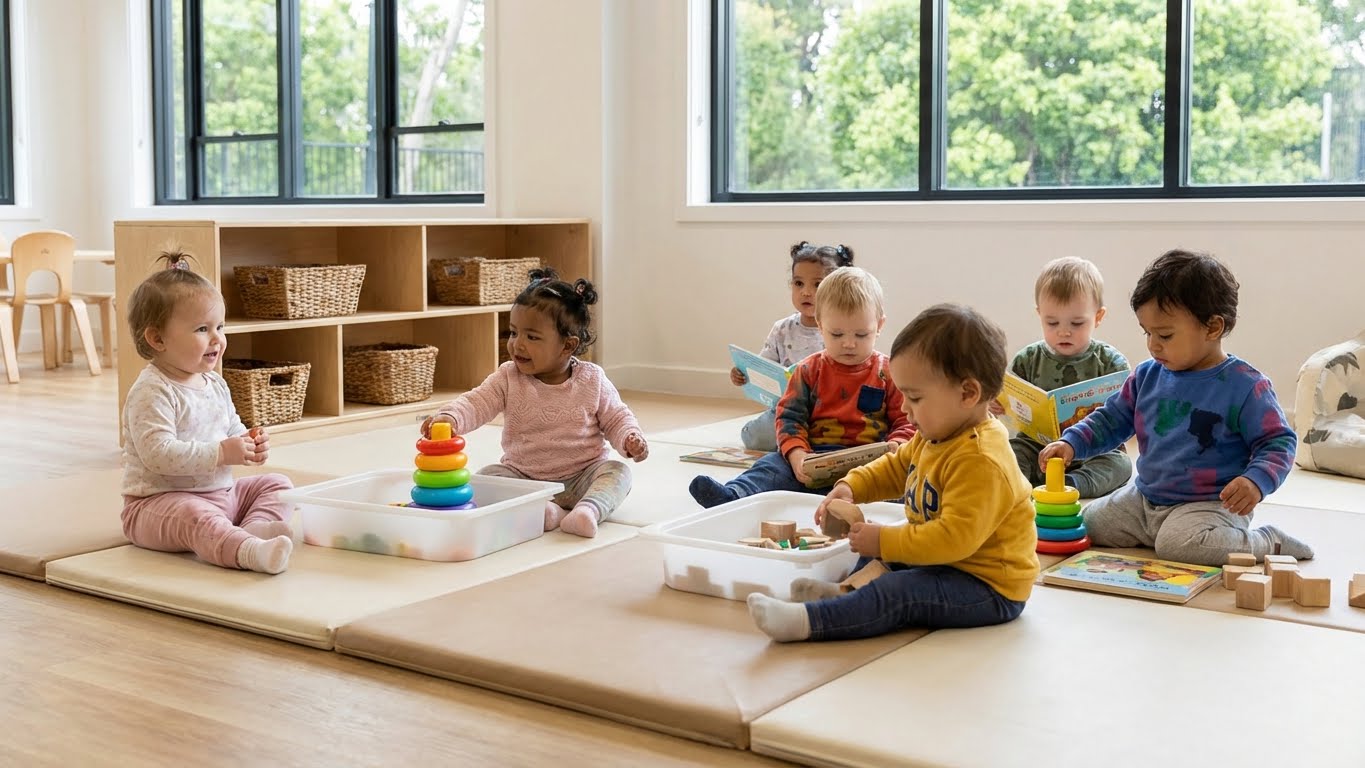
A strong sense of identity is one of the greatest gifts we can give a young child. When children see their family, culture and language reflected and respected, they feel they truly belong.
Identity and Belonging
Belonging is the foundation of confident learning. A child who feels secure in who they are is free to explore, take risks and connect with others.
Celebrating Every Family
Every family brings its own traditions, languages, foods and stories. Weaving these into daily life shows children that diversity is something to celebrate:
- Sharing songs and stories from home
- Exploring foods and celebrations from many cultures
- Displaying family photos and familiar words
- Inviting families to share their traditions
- Acknowledging the diverse world we all share
Honouring First Nations Cultures
Learning about and respecting Aboriginal and Torres Strait Islander histories and cultures helps all children develop understanding and respect for the world's oldest continuing cultures.
Language Is Precious
Home languages are a treasure. Encouraging families to keep speaking their first language supports both cultural identity and strong overall language development.
At Little Roses
We welcome and celebrate the rich diversity of our community, partnering with families so every child feels seen, valued and proud of who they are.
Ready to Join Our Community?
Give your child the gift of quality early education in a nurturing, play-based environment at Little Roses Early Learning & Kindergarten.