
The Role of Emotional Intelligence in Early Childhood
Why developing emotional intelligence early gives children a lifelong advantage in relationships and learning.
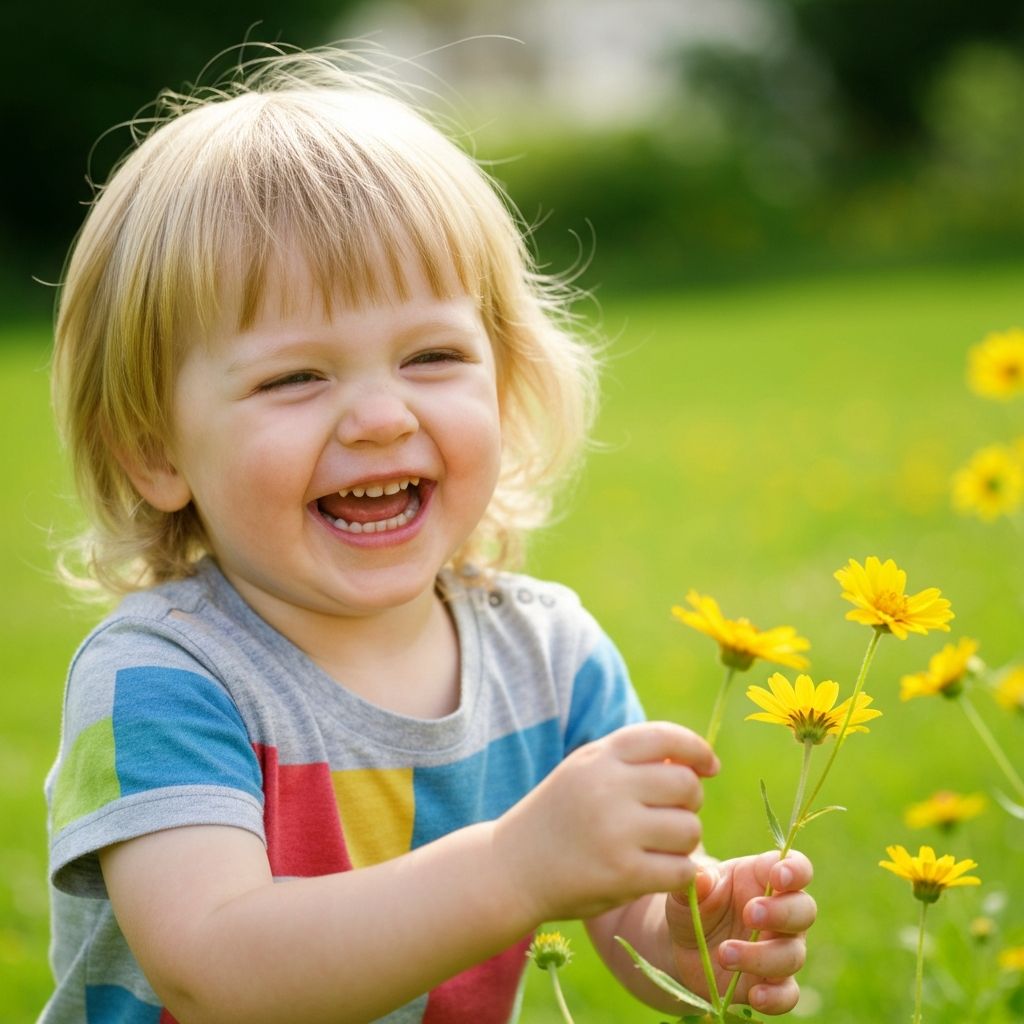
Emotional intelligence — the ability to recognise, understand, and manage emotions — is one of the most important skills children develop in their early years. Research shows it's a stronger predictor of life success than IQ.
What Is Emotional Intelligence?
Emotional intelligence (EQ) encompasses several key skills: self-awareness, self-regulation, empathy, and social skills. For young children, this starts with simply being able to name their feelings and gradually builds toward understanding how others feel and responding appropriately.
A child with developing EQ might say "I'm feeling frustrated because I can't do the puzzle" rather than throwing the pieces. This ability to identify and articulate emotions is a powerful foundation for managing them.
Why It Matters in Early Childhood
The early years are a critical window for emotional development. Children's brains are forming the neural pathways that will shape how they handle emotions for the rest of their lives. When children learn healthy emotional skills early, they're better equipped to:
- Form and maintain friendships
- Cope with challenges and setbacks
- Focus and engage in learning
- Resolve conflicts peacefully
- Develop resilience and confidence
How Adults Can Support EQ Development
The most powerful way to build emotional intelligence is through responsive relationships. When an adult validates a child's feelings — "I can see you're really sad that Mum left" — it teaches the child that emotions are normal and manageable.
Other strategies include reading books about feelings together, using emotion charts or cards, modelling how you handle your own emotions, and creating safe spaces where children can calm down when overwhelmed.
Building EQ at Little Roses
At Little Roses, emotional intelligence is woven into everything we do. Our educators use intentional strategies like emotion coaching, social stories, and collaborative problem-solving throughout the day. We create an environment where every feeling is welcome and children learn they are capable of working through big emotions with support.
Ready to Join Our Community?
Give your child the gift of quality early education in a nurturing, play-based environment at Little Roses Early Learning & Kindergarten.