
Creative Arts and Crafts: More Than Just Fun
Explore how art activities support fine motor skills, creativity, and emotional expression in early childhood.
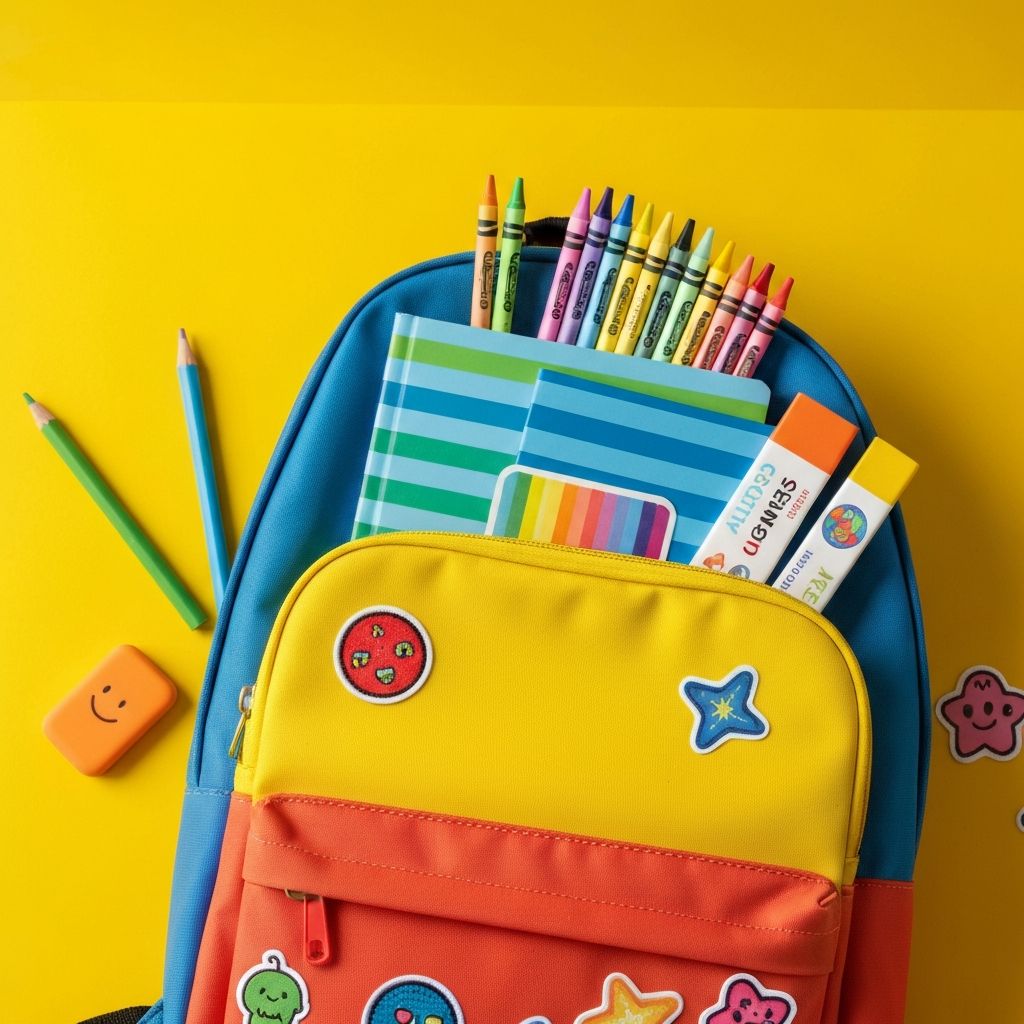
When children engage in arts and crafts, they're doing much more than making pretty pictures. These creative activities are powerful tools for development, supporting everything from motor skills to emotional regulation.
Developmental Benefits of Art
Age-Appropriate Art Activities
Process Over Product
At Little Roses, we focus on the process of creation rather than the final product. This approach:
- Reduces pressure and anxiety
- Encourages experimentation
- Builds confidence
- Promotes creative thinking
- Celebrates individual expression
We display all children's artwork with pride, regardless of how closely it resembles the "intended" outcome.
Setting Up Art at Home
Create an art-friendly space with:
- Washable surfaces or protective coverings
- Child-height table or easel
- Accessible art supplies in clear containers
- Smocks or old clothes for messy projects
- Display area for finished works
Remember, mess is part of the process! Children who are worried about staying clean can't fully engage in creative exploration.
Supporting Creativity
- Provide open-ended materials without specific instructions
- Ask "Tell me about your picture" instead of "What is it?"
- Display artwork prominently
- Keep a portfolio of creations to see progress over time
- Join in the fun – create alongside your child
At Little Roses, our art program celebrates each child's unique creative voice while supporting crucial developmental skills. Every masterpiece tells a story of growth and discovery!
Ready to Join Our Community?
Give your child the gift of quality early education in a nurturing, play-based environment at Little Roses Early Learning & Kindergarten.