
The Benefits of Play-Based Learning for Early Childhood Development
Discover how play-based learning supports cognitive, social, and emotional development in young children.
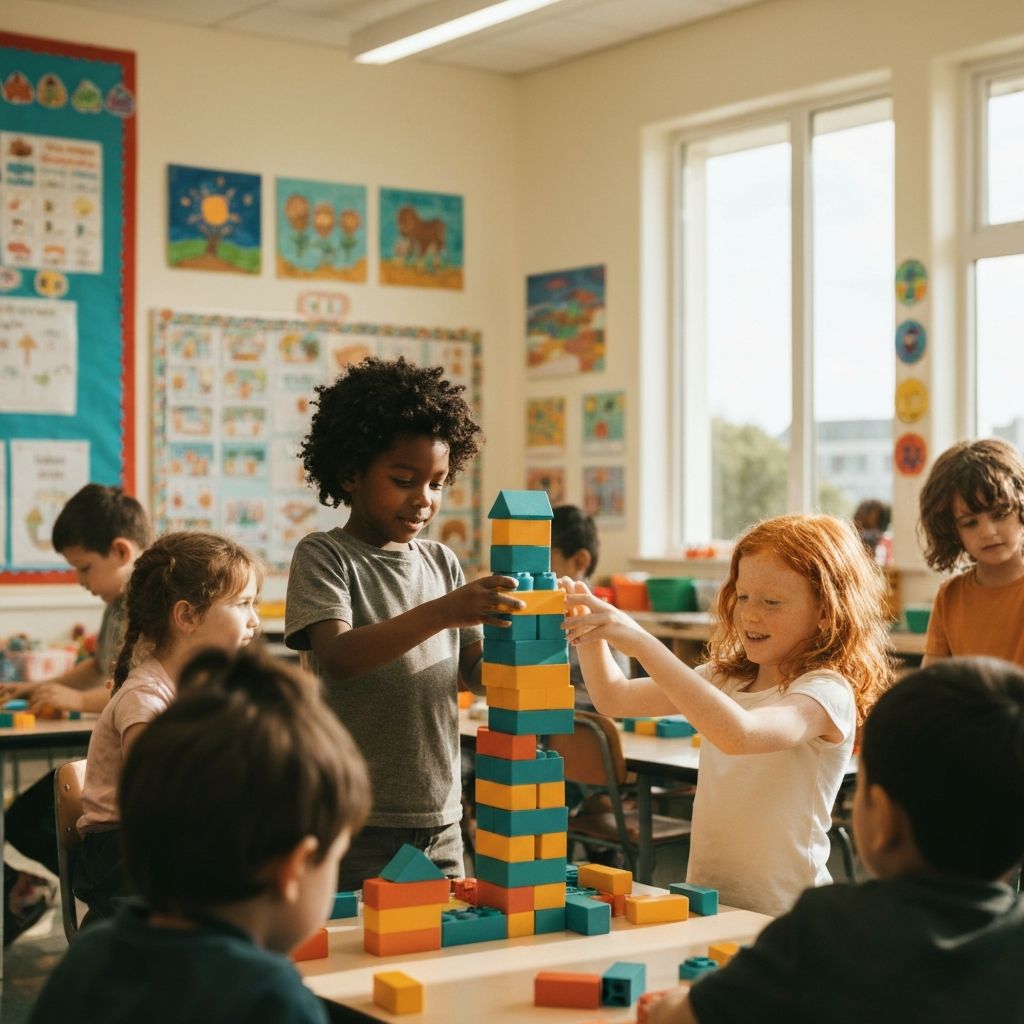
Play-based learning is at the heart of quality early childhood education. Research consistently shows that children learn best when they're actively engaged in meaningful play experiences.
Why Play-Based Learning Works
Children are naturally curious and motivated to explore their world. Play-based learning harnesses this innate curiosity, allowing children to:
- Develop problem-solving skills through hands-on exploration
- Build social skills by interacting with peers
- Express creativity and imagination
- Develop language and communication abilities
- Learn to regulate emotions in a safe environment
The Science Behind Play
Neuroscience research shows that play activates multiple areas of the brain simultaneously, creating strong neural connections. When children engage in play, they're not just having fun – they're building the foundation for lifelong learning.
At Little Roses
Our educators carefully design play experiences that balance child-led exploration with intentional learning opportunities. We create environments where every activity has purpose, from block building to dramatic play.
Ready to Join Our Community?
Give your child the gift of quality early education in a nurturing, play-based environment at Little Roses Early Learning & Kindergarten.